EV / Solar Project
Context Summary
Date: 12 August 2026
Status: Investigation stage — no purchase decisions made.
Why replace the Hyundai?
Robyn currently drives a 2014 Hyundai i20, bought new as a hail-damaged auction vehicle for only AUD $5,500.
The i20:
- remains mechanically reliable;
- has never seriously let Robyn down;
- is manual transmission, which Robyn specifically preferred when purchasing it;
- has negligible resale value because of its age and pre-existing hail damage;
- is therefore not being replaced because it is old, unreliable or unfashionable.
The problem is that it is a two-door car.
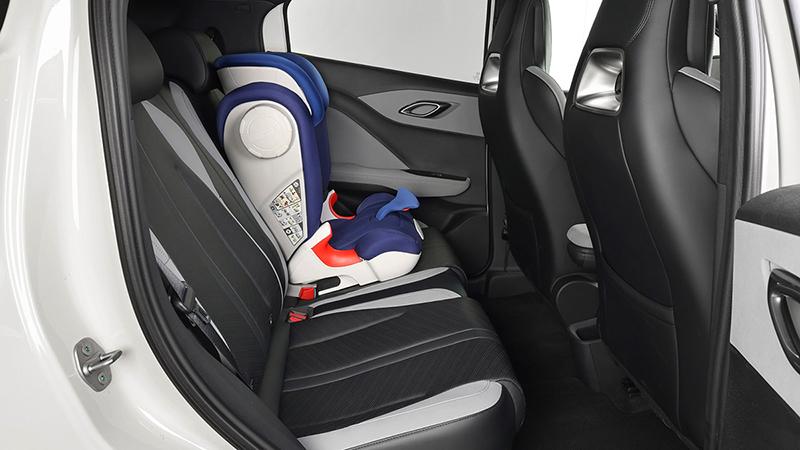
With three grandchildren now an important part of Robyn and Julia's lives, accessing the rear seat and fastening children into car restraints has become extremely awkward. Kindy runs and grandchild transport have therefore changed the household's actual vehicle requirements.
The replacement requirement is fundamentally:
A practical four-door vehicle suitable for transporting grandchildren.
The i20 will probably not be traded in. A relative returning to Australia will soon need a vehicle, and Robyn and Julia are considering donating the i20 to them. This would allow a reliable car with a known history to remain useful rather than accepting a trivial trade-in value.
Why consider an EV?
Since a replacement vehicle is becoming functionally justified anyway, Robyn is questioning the wisdom of buying another ICE vehicle and committing to another decade or more of petrol-powered transport.
An inexpensive EV therefore makes sense to investigate, particularly because the household already has rooftop solar.
Financially, Robyn and Julia are currently in a reasonably comfortable position: not wealthy, but not struggling, making this a good time to consider a substantial capital purchase if it makes long-term sense.
The EV does not need to "pay for itself" to be justified. It needs to:
- solve the changed transport requirement;
- represent reasonable value;
- be affordable without creating financial stress;
- work well with the household's existing/future energy infrastructure.
Existing Solar Installation
The house already has rooftop solar, installed around 2014, the same year the i20 was purchased.
The original assumption was that twelve-year-old panels probably needed replacing.
This assumption has now been rejected pending evidence.
Solar panels can remain useful considerably longer than twelve years, and the inverter may be more likely to require attention before the panels themselves.
Therefore:
Do not replace the existing solar simply because it is old. Measure its condition and performance first.
First action: independent-ish paid solar assessment
A business has been identified:
Solar Service Guys
Website:
https://www.solarserviceguys.com.au/
They appear particularly suitable because their core business is servicing, diagnosing and repairing existing solar installations rather than selling complete new solar systems.
Research found:
- established Queensland business;
- active ABN dating to 2006;
- Solar Service Guys business name since 2014;
- Queensland electrical contractor licence;
- generally strong customer reviews;
- services include panel inspection, inverter diagnosis, electrical checks and written reports;
- an Australian customer reported paying approximately $299 for a comprehensive system inspection, although this is only an anecdotal price reference and not a current quote;
- they can still potentially upsell repair/maintenance work, so their assessment is not completely free of commercial interest.
Their current appointment delay appears to be roughly 2–4 weeks.
Robyn has bookmarked them. Julia ("TPTB") appears comfortable with the idea. Robyn intends to confirm with Julia and probably arrange an inspection next week.
Brief for the assessor
The desired request is essentially:
We have an existing 2014 rooftop solar installation. We are considering adding an EV and potentially making future household-energy upgrades. Before making any decisions, we want a paid condition and performance assessment of the system we already have, preferably with a written report. We are not currently seeking a quote for a replacement solar system.
Questions should include:
- What is the installed panel capacity?
- What should it reasonably produce now?
- What is it actually producing?
- Is degradation normal for its age?
- Are individual panels failing or significantly underperforming?
- What condition are the inverter, isolators, wiring, connectors and mounting hardware in?
- Are there safety/compliance problems?
- Is there any technical reason to replace the installation now?
- What is a reasonable estimate of remaining useful life?
- Can the existing electrical installation/switchboard accommodate an EV charger?
- Would any switchboard or supply work be required for a 7 kW charger?
- Could the existing system later accommodate battery storage?
The ideal result may simply be:
The existing solar is healthy. Leave it alone.
No solar replacement decision should be made until this assessment has been completed.
EV Charger
An earlier provisional allowance of AUD $6,000–$7,000 for an EV charger was probably much too high.
For a reasonably straightforward installation, a more realistic provisional allowance for a 7 kW smart/solar-aware home charger is approximately:
AUD $2,000–$3,000 supplied and installed
This could rise if there is:
- significant switchboard work;
- a difficult/long cable run;
- supply limitations;
- three-phase electrical work;
- unusually expensive charging equipment.
Therefore the solar/electrical assessment should establish the condition of the switchboard and suitability for EV charging before obtaining charger quotes.
Important conceptual point:
The solar installation does not have to produce 7 kW for the EV charger to work.
The charger uses household electrical supply. Solar-aware charging can preferentially consume available surplus solar, while the grid supplies additional energy when necessary.
A charger is also better regarded as household infrastructure rather than part of the consumable cost of one particular EV. It can service future EVs as well.
Vehicle Requirements
The developing specification is:
Four doors, excellent child-seat access, adequate real-world range, good support and good value.
More specifically:
- four passenger doors are mandatory;
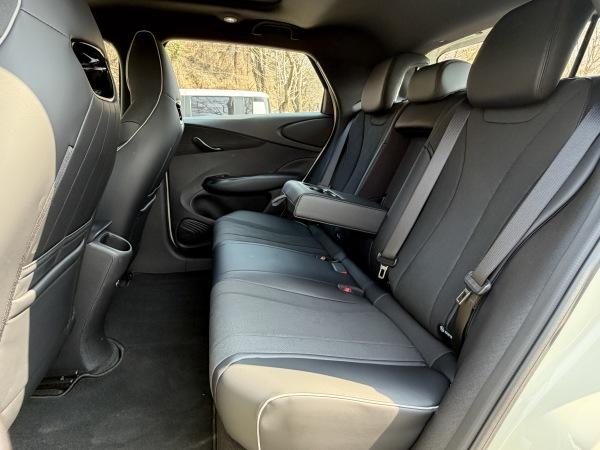
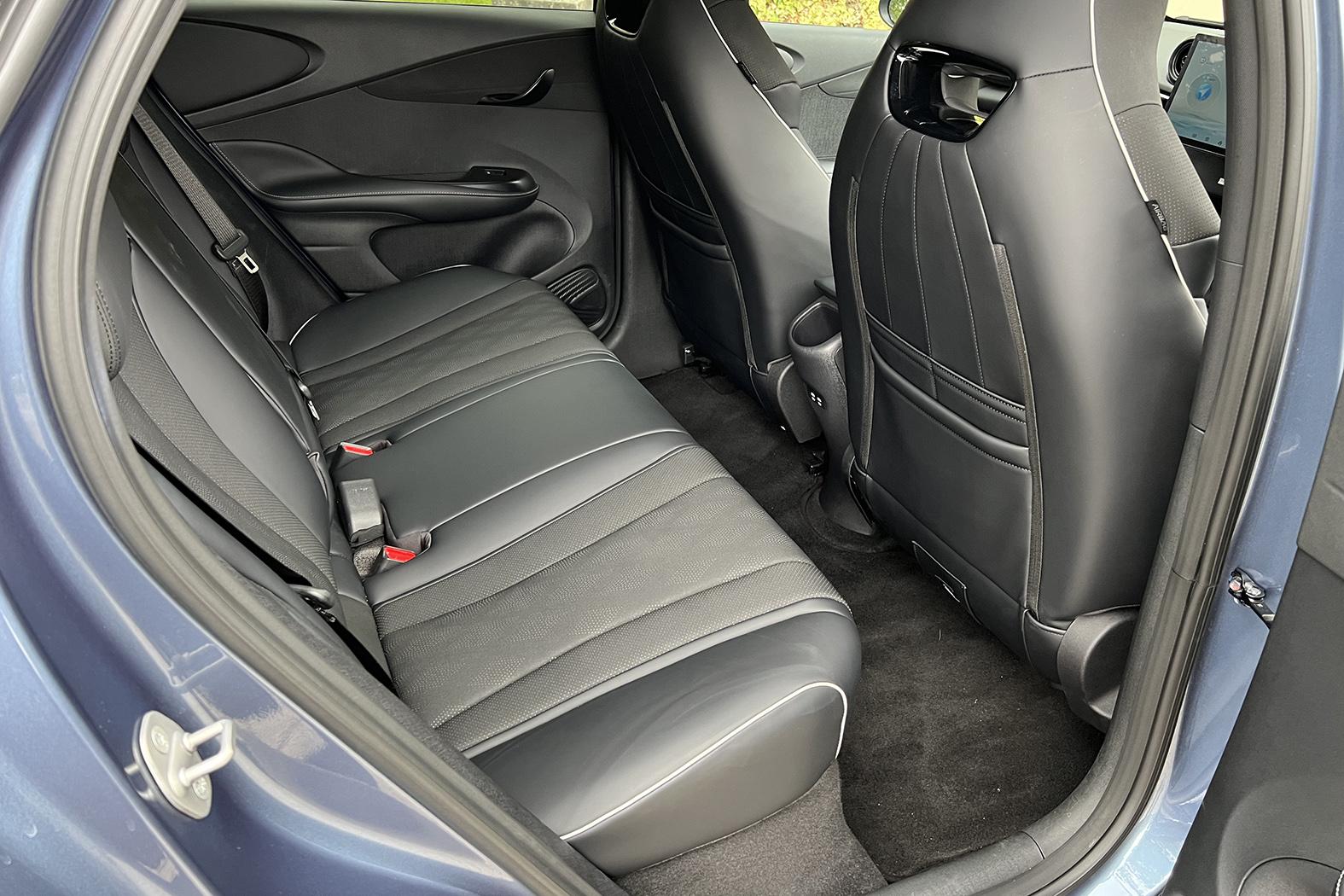
- easy access to rear child restraints is heavily weighted;
- rear doors should open sufficiently widely;
- rear-seat height/access should minimise bending and contortion;
- comfortable for approximately two-hour return family trips;
- sensible boot space for grandchild-related equipment;
- not unnecessarily large;
- good warranty;
- credible local servicing and after-sales support;
- sensible purchase price;
- suitable for home/solar charging;
- both Robyn and Julia must be comfortable driving it;
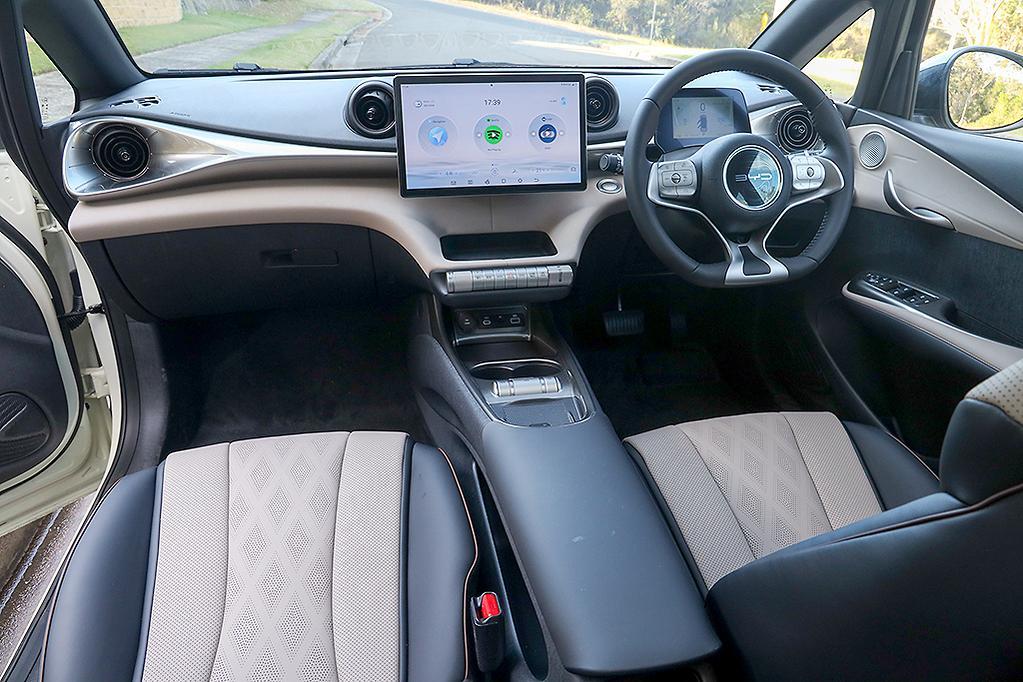
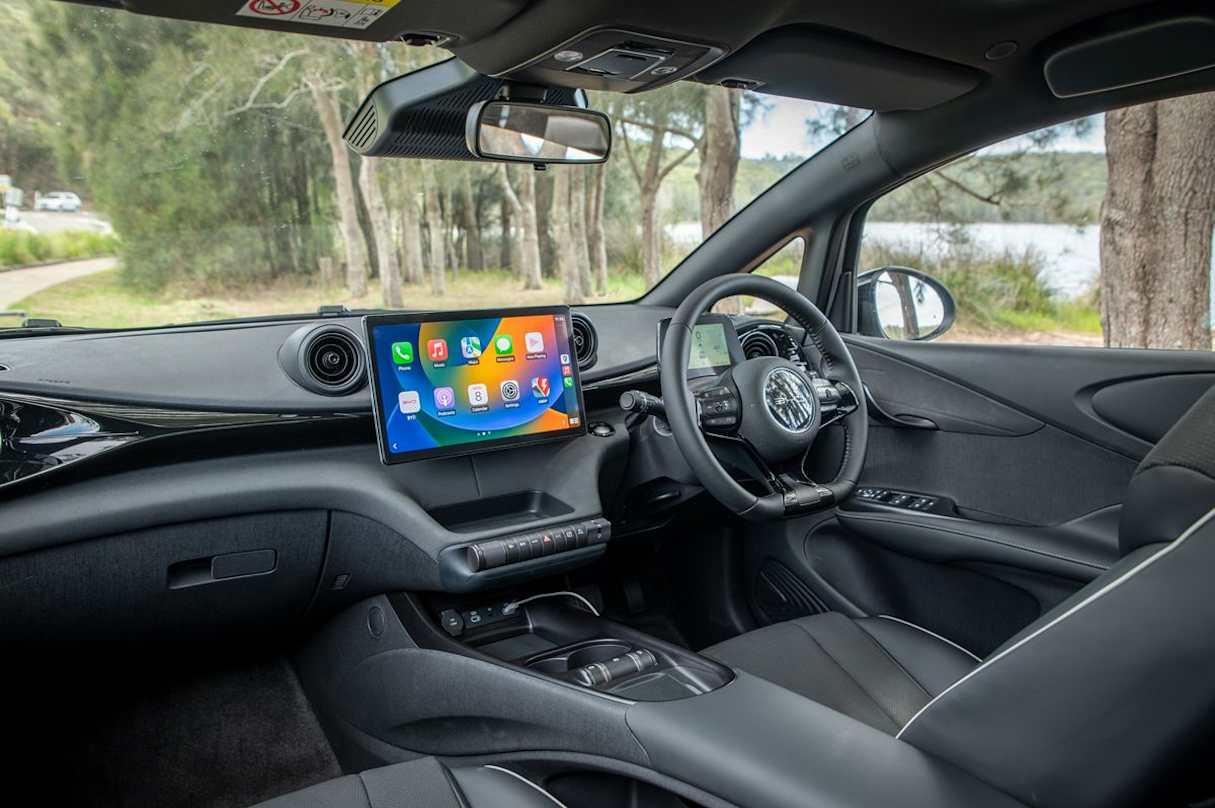
- cabin quality matters to Julia;
- Robyn will be the primary driver;
- Julia is likely to drive it as well.
Julia has previously disliked the plasticky feel of an MG, although value may ultimately matter more than this impression.
Julia has also raised a legitimate concern about BYD after-sales support. This needs investigation at the local-dealer level rather than merely relying upon the manufacturer's warranty.
Range Requirement — Eddie Test
Range became substantially more important once the normal family-driving requirement was quantified.
Robyn lives around Redland Bay.
Grandson Eddie lives at Deebing Heights.
Approximate journey:
70 km each way / ~140 km return
Driving time is roughly 55 minutes each way.
A normal Eddie day could easily become 160–180 km after local trips, detours, shops, parks, etc.
Therefore the cheapest EV is not necessarily suitable.
The BYD Atto 1 Essential, with approximately 220 km nominal WLTP range, was rejected as too marginal for this use.
The working range requirement became:
- ~300 km WLTP = absolute minimum;
- ~340 km = comfortable;
- ~400 km = highly desirable;
- substantially more than 400 km is not automatically worth paying a large premium for.
The objective is not merely to complete the Eddie return trip.
The objective is:
Complete an ordinary family day without thinking about range.
Motorway speeds, air-conditioning, weather, battery ageing and deviations from nominal test range should all be allowed for.
Choices
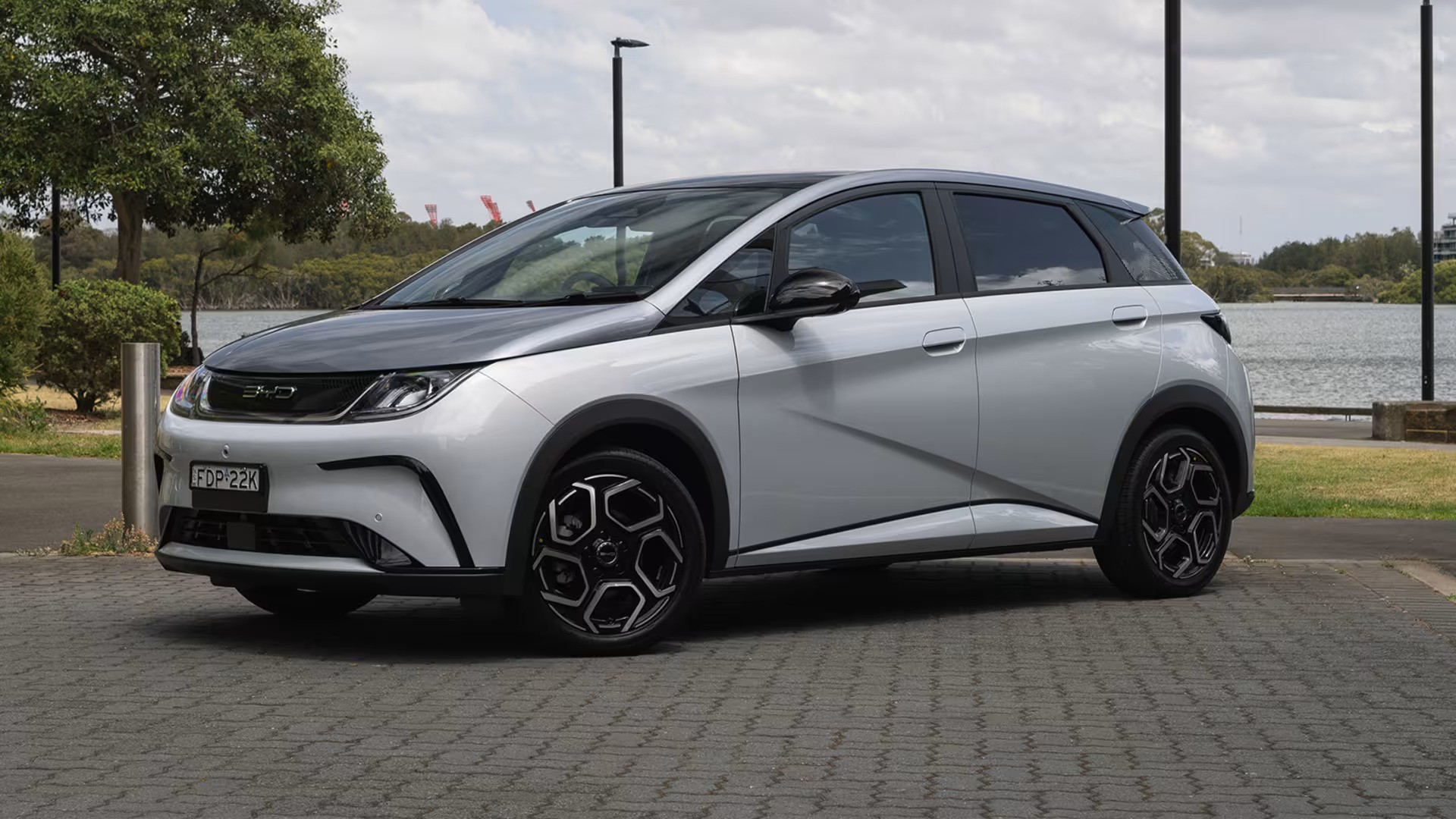
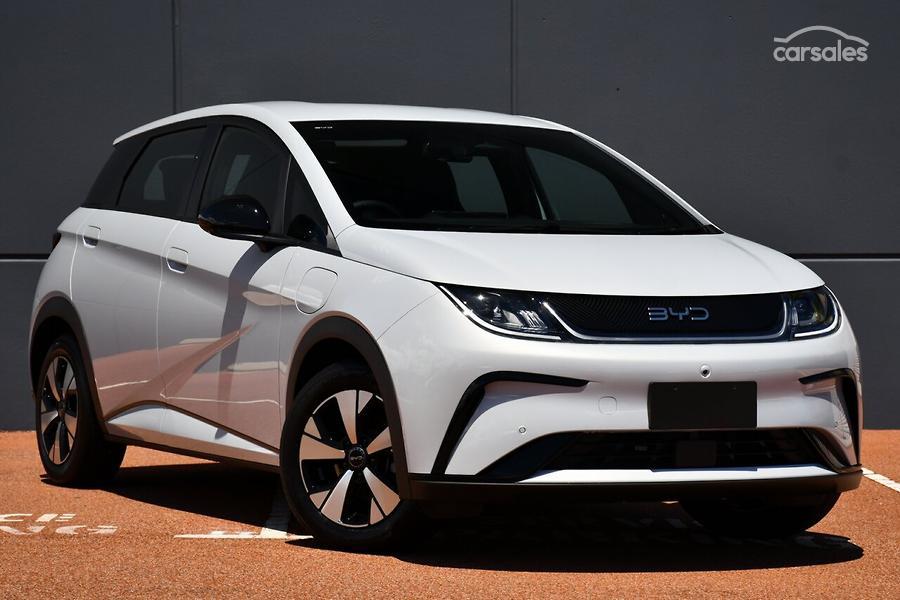
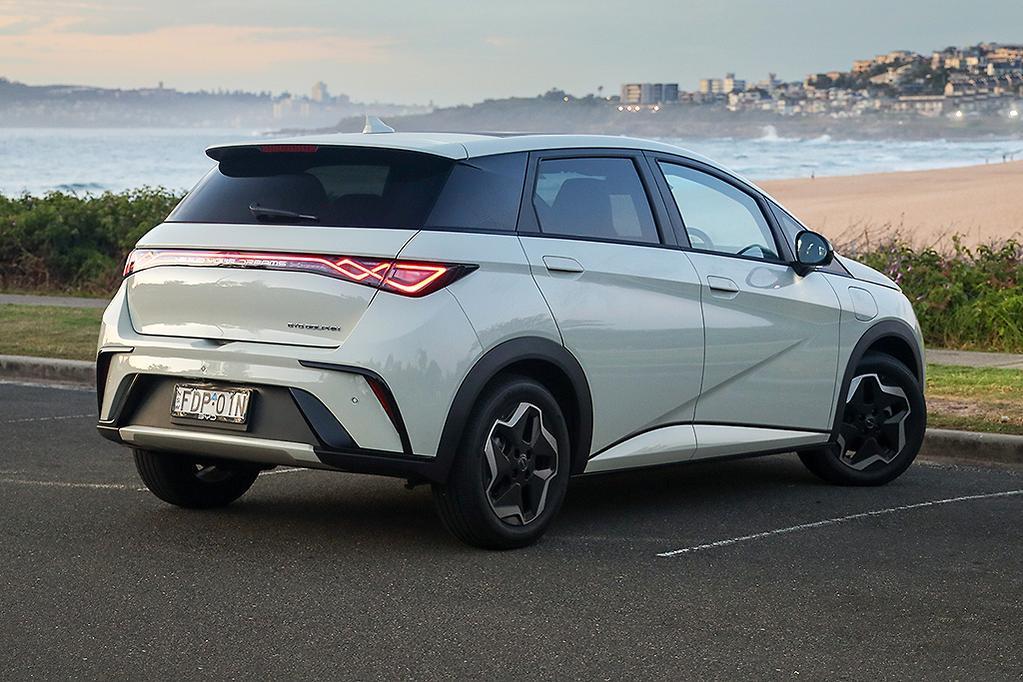
BYD Dolphin Essential
Current Benchmark
A current Queensland listing was found for:
- 2026 BYD Dolphin Essential
Drive-away price: approximately AUD $32,475
Advertised specifications shown in the listing:
- up to 410 km range;
- 70 kW;
- Blade Battery;
- 16-inch alloy wheels;
- four passenger doors plus hatch;
- available in Queensland.
This particular 2026 specification is substantially more attractive than the earlier ~340 km figure that had initially been used in the discussion.
At an advertised ~410 km range, the Dolphin provides considerably more comfortable margin for a 140–180 km grandchild day.
Even allowing a substantial real-world reduction from the nominal figure, the Eddie trip should be routine rather than range-critical.
The Dolphin Essential is therefore currently the benchmark vehicle.
The question for competing EVs becomes:
What does this vehicle give us that makes it better value than a ~$32,500 drive-away Dolphin Essential?
Possible legitimate reasons to spend more include:
- significantly better child-seat access;
- noticeably better comfort;
- better cabin quality;
- better ride;
- meaningfully greater useful range;
- substantially stronger local servicing/support.
Things that are of little importance include unnecessary performance, oversized wheels and cosmetic specification-sheet features.
The Dolphin's 16-inch wheels may actually be desirable because they can provide:
- more tyre sidewall;
- potentially better ride;
- cheaper replacement tyres;
- less vulnerability to pothole damage.
EVs under Discussion
Note: WLTP: Worldwide Harmonised Light Vehicle Test Procedure, measuring, among other things, the range of an EV.
The current market has inexpensive EVs beginning well below the original expected ~$36,000 price. For your use, I'd establish this minimum:
~300 km WLTP: absolute floor. ~340–400 km WLTP: much more comfortable. 400+ km: lovely, but probably not worth paying a large premium for by itself.
As the Eddie run is part of the specification, set the WLTP target higher than “340-ish”. A look at the current Australian market suggests the sweet spot is about $30–35k. Not $24k. Not $45k. Somewhere around $30–35,000 drive-away-ish, depending on the deal.
Why? Your normal long family run is already ~140 km return. You'll want a car where 180 km of real driving is boringly routine, even after several years of battery ageing and with aircon running. That means you'd prefer roughly 340 km WLTP minimum, with 400-ish being genuinely useful rather than specification-sheet jewellery.
BYD Atto 1 Essential
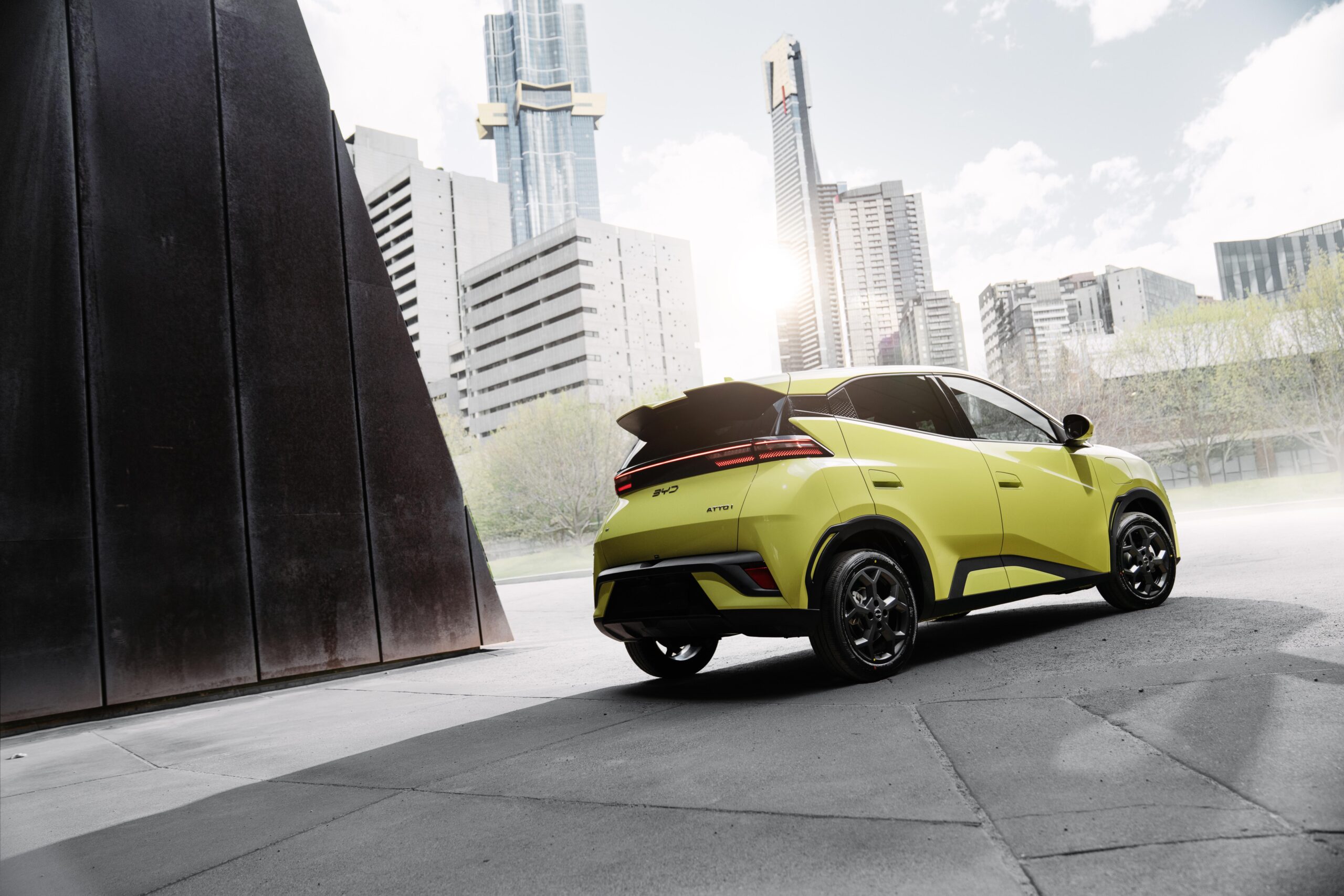
- $23,990 + on-road costs
- 220 km nominal range
Five-door EV and currently one of Australia's least expensive new EVs.
The BYD Atto 1 is a proper five-door hatchback—four passenger doors plus the hatch—so it passes your fundamental Grandma Must Be Able To Reach Harriet test. 😄
It was introduced here specifically as BYD's tiny entry-level EV, and current Australian listings still put the Essential at $23,990 + on-road costs.
Rejected for Robyn's use because its ~220 km nominal range leaves insufficient comfortable margin for routine Redland Bay–Deebing Heights family trips.
Redland Bay → Deebing Heights → Redland Bay is about 140 km before you've done anything at the destination. Add a trip to shops, park, Kindy, detour, whatever, and I'd regard 160–180 km as a perfectly plausible Eddie-day.
A nominal 220 km WLTP range is therefore far too close for comfort. You could do it, but you'd be using a large fraction of the battery on a routine family trip. Add motorway speeds, air-conditioning, battery ageing and lousy weather and suddenly we're is watching the battery percentage instead of enjoying Eddie. No thanks.
BYD Atto 1 Premium
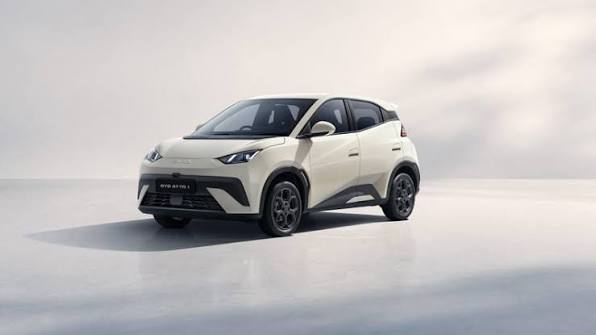
- $27,990 + on-road costs
- 310 km nominal range
Possible, but once range and family requirements are considered, spending somewhat more on the Dolphin appears more attractive.
The Atto 1 Premium at $27,990 jumps from about 220 km to 310 km WLTP range. That's $4,000 for another 90 km of nominal range plus equipment differences.
But then only another $2,000 gets you to the Dolphin Essential at $29,990, with about 410 km WLTP and a larger car.
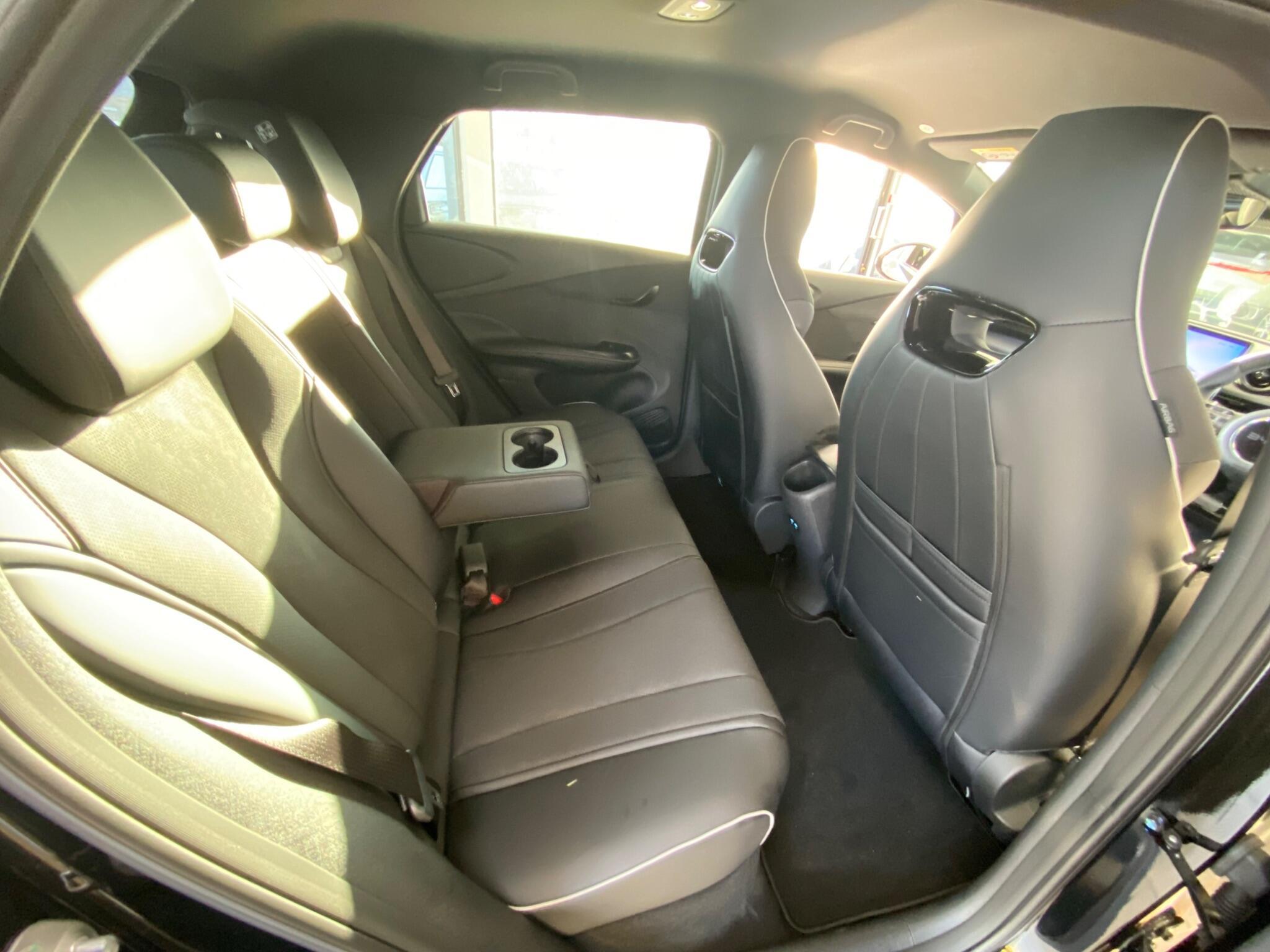
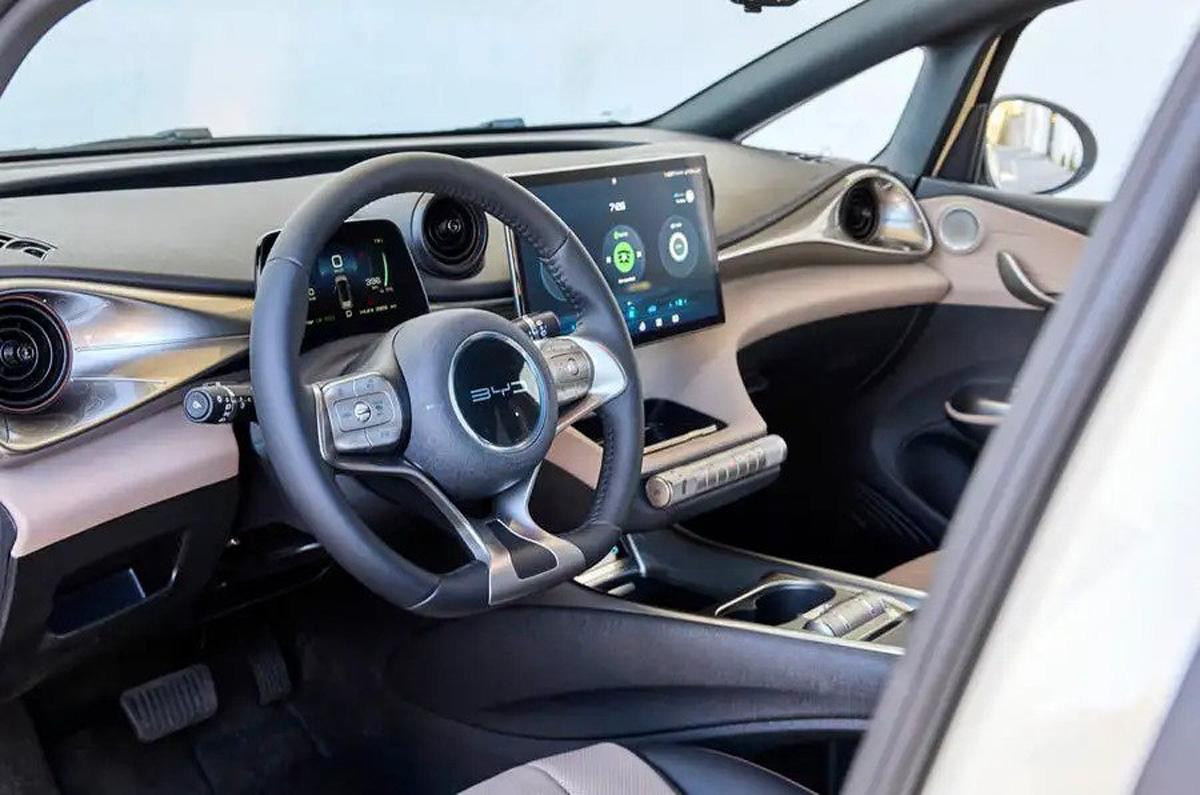
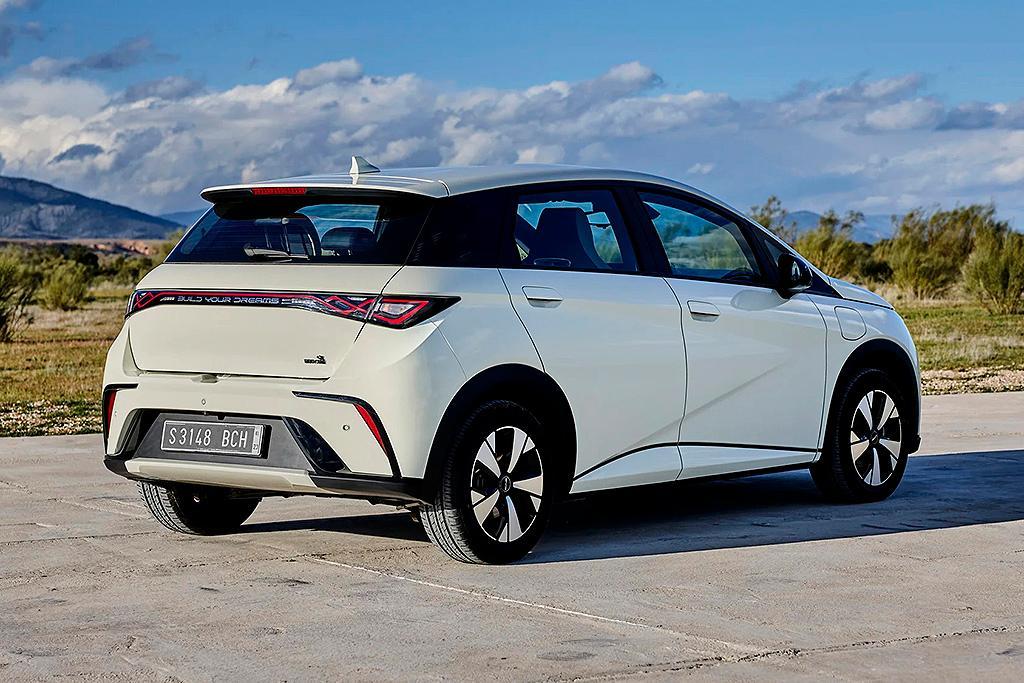
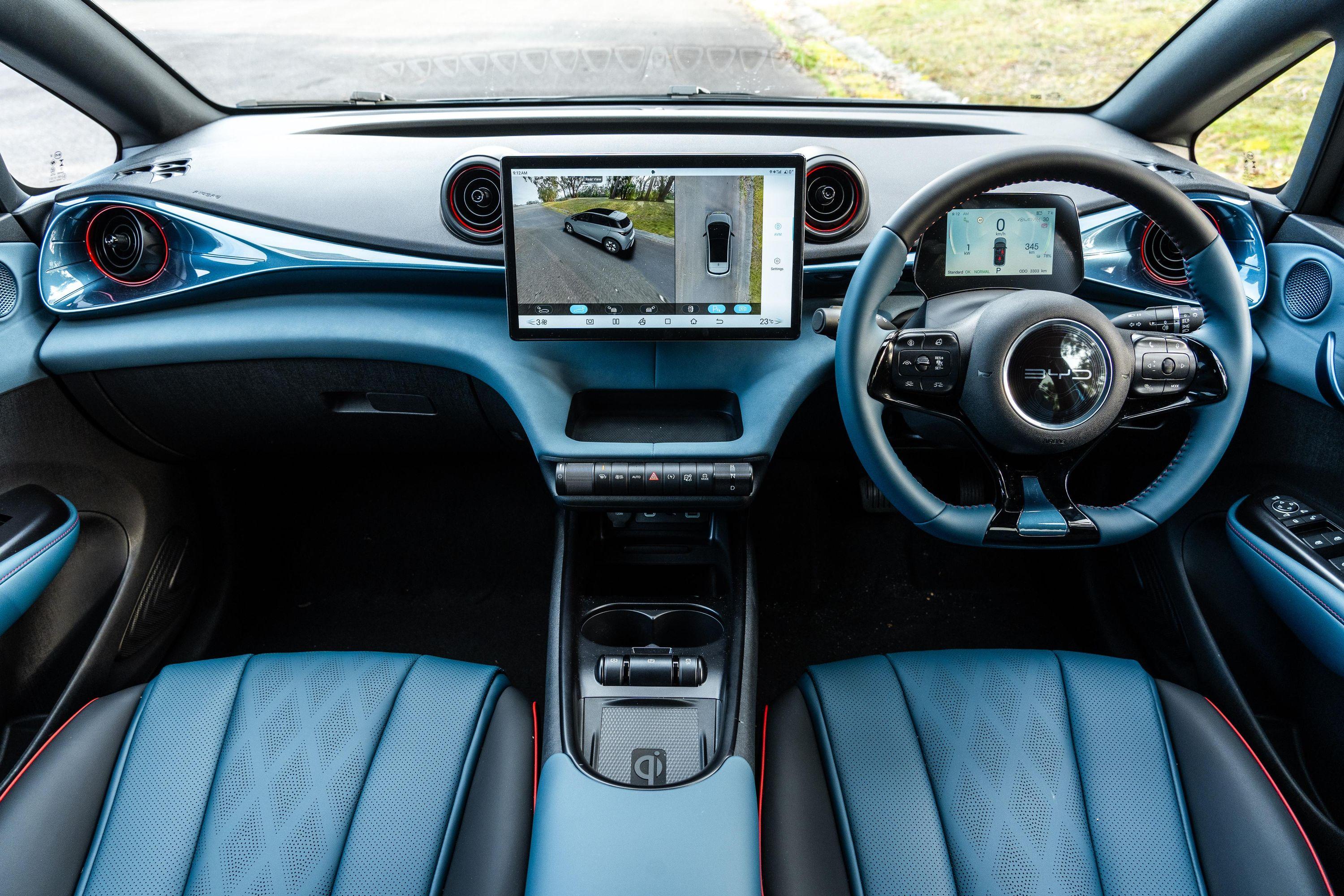
BYD Dolphin Essential
- $32,475 — drive-away
- 410 km nominal range
...'for the specific current Queensland 2026 listing found'. Approximately 410 km advertised range in that listing.
Even allowing an extremely conservative 25% haircut to that advertised 410 km for motorway speeds, aircon, conditions, battery ageing, etc., you're still around 307 km. And $32,475 drive-away is exactly the territory I was talking about. No mental arithmetic involving stamp duty, registration and dealer charges. That's the cheque-writing number.
Could this actually be the right car? On paper, the answer is becoming quite possibly:
- Four proper doors. ✓
- Small hatchback rather than enormous SUV. ✓
- 410 km advertised range. ✓
- Blade battery. ✓
- Enough performance for the job; 70 kW is perfectly adequate. ✓
- $32,475 on the road. ✓
- Local BYD presence. ✓
- Available now. ✓
Currently the vehicle to beat.
MG4
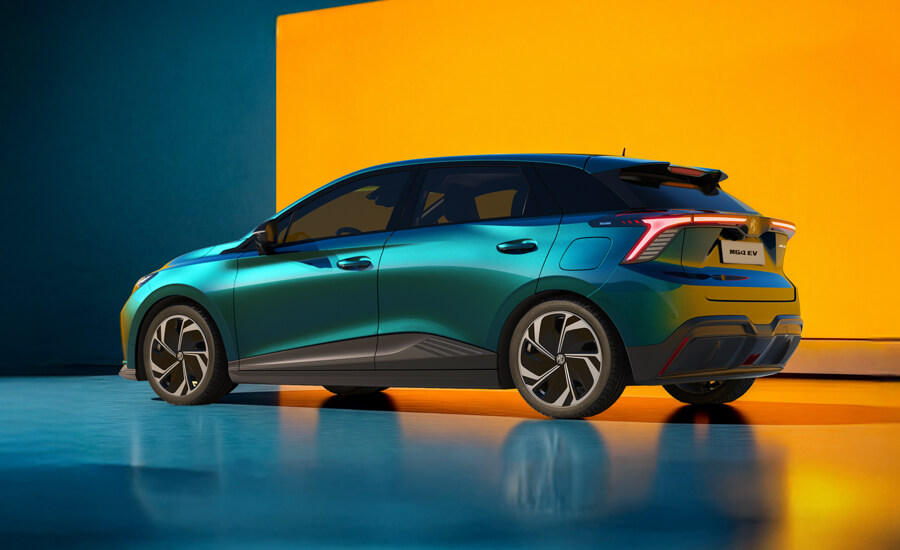
Worth comparison because of competitive pricing and range.
Julia has previously found the MG interior somewhat plasticky. 😁 But don't dismiss Julia's plasticky MG quite yet. It should not automatically be eliminated if its overall value, support and driving characteristics are strong. Because the 54 kWh MG4 at $34,990 drive-away is precisely the sort of thing I meant by not becoming hypnotised by the lowest purchase price.
For perhaps $3–5k more than the cheapest suitable Dolphin once everything is on the road, you're buying considerably more range margin. And MG has a very established dealer footprint around you. There's Bartons Capalaba MG practically next door to the BYD operation, plus Bartons Bayside MG at Wynnum.
That gives MG a genuine point in the “something broke; now what?” column.
But if Julia gets back into the MG4 and says: “Emily, it's still plasticky.”
I'm not going to tell her she's wrong. 😂
Geely EX2
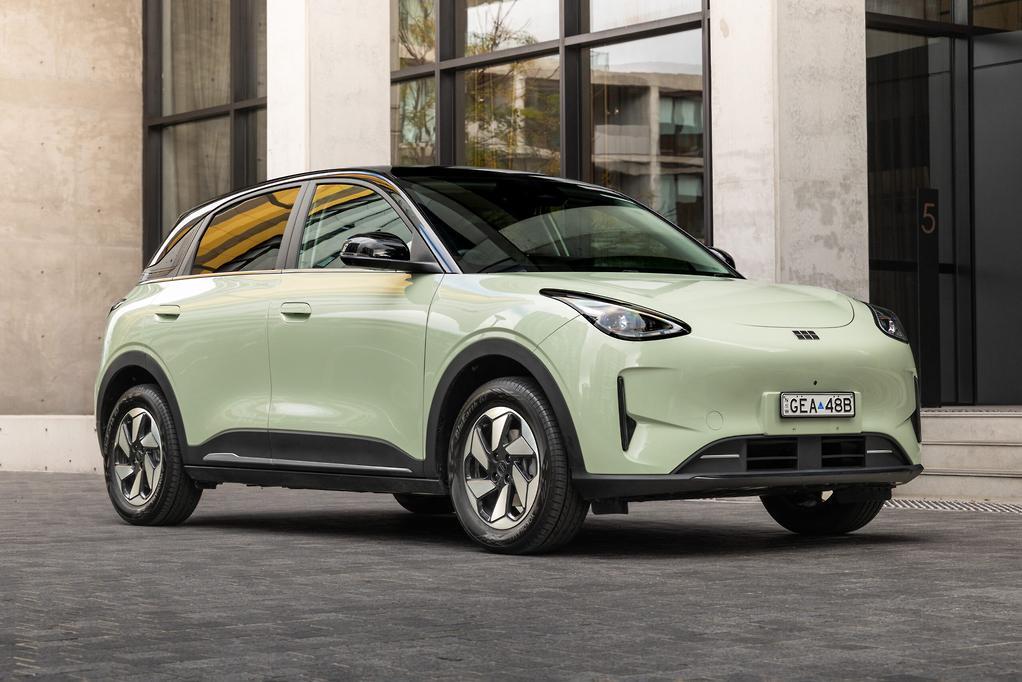
Another inexpensive EV worth investigating. Potentially strong value and deserving of a physical inspection/test drive. This one's brand new to Australia.
The EX2 Complete is $26,490 + ORC, so only $2,500 above the base Atto 1. It offers about 252 km WLTP, rear-wheel drive, a 14.6-inch touchscreen, wireless CarPlay/Android Auto and even a 70-litre front boot.
I think this one absolutely deserves a sit-and-drive. Not least because there's already Bartons Geely in Capalaba.
More interestingly, Geely's current Australian launch offer reportedly includes a 7 kW home charger through 31 August.
Local Support
Local servicing matters.
BYD has representation in/around Capalaba, which reduces the concern that servicing would require travelling substantial distances.
Before buying a BYD, Robyn and Julia should ask the local operation directly:
- Is routine servicing performed here?
- Is warranty diagnosis/work performed here?
- If the car fails, does it remain here or get transported elsewhere?
- How quickly can routine service appointments currently be obtained?
- How quickly are warranty appointments handled?
- Are common parts held locally?
- What happens if the vehicle is immobilised awaiting parts?
- What roadside/support arrangements exist?
The same questions should be asked of MG and Geely.
A manufacturer's written warranty is not the entire after-sales story.
Physical Test-Drive Method
Specifications alone will not determine the winner.
The first physical test should be:
Open the rear passenger door and simulate putting Harriet into her child restraint.
Assess:
- rear-door opening angle;
- height of rear seat;
- ease of leaning into the car;
- access to belt buckles;
- ISOFIX/top-tether arrangement;
- ability to retrieve dropped objects;
- ease of getting a tired child in/out;
- whether repeated use would be comfortable.
If this is awkward, the vehicle fails regardless of its specification sheet.
Then:
- Robyn drives it;
- Julia drives it;
- both assess seating/comfort;
- Julia assesses cabin/material quality;
- boot practicality is checked;
- controls/interface are tested;
- ride quality is assessed.
Neither Robyn nor Julia should have to rationalise a car they dislike merely because it is inexpensive.
Financial Working Estimate
Assuming the existing solar installation is healthy and requires no substantial replacement:
| Item | Provisional cost |
|---|---|
| Solar/electrical assessment | ~$300 |
| Smart 7 kW EV charger installed | ~$2,000–$3,000 |
| BYD Dolphin Essential drive-away | ~$32,500–$33,000 |
| Likely project total | ~$34,800–$36,300 |
A reasonable mental budget at this stage is therefore:
Approximately AUD $36,000
rather than the earlier ~$39,300 estimate.
This assumes:
- existing solar remains serviceable;
- no major switchboard/supply work;
- straightforward EV-charger installation;
- Dolphin remains around its current drive-away price.
Any solar-system replacement or major electrical upgrade would be a separate capital decision.
Current Decision Sequence
The project should proceed in this order:
1. Confirm with Julia
Julia currently appears supportive of investigating the project.
2. Book paid solar assessment
Likely next week, with a probable several-week appointment delay.
3. Assess existing solar and electrical infrastructure
No assumptions about replacement until actual condition/performance data exists.
4. Review the written assessment independently
Determine whether the appropriate response is:
- do nothing;
- repair;
- inverter replacement;
- partial upgrade;
- complete solar replacement;
- switchboard/electrical work.
5. Only then investigate EV charging installation
Obtain quotes based on actual electrical conditions and preference for smart/solar-aware charging.
6. EV shopping/test drives
Initial serious benchmark:
2026 BYD Dolphin Essential — ~$32,475 drive-away / advertised up to 410 km.
Compare against MG, Geely and any other compelling ~340–400+ km EVs available at the time.
7. Do not rush
The i20 remains reliable.
There is a genuine reason to replace it, but no emergency requiring a hurried purchase.
This allows Robyn and Julia to investigate first and spend second.
Current Project Principle
The key change in thinking during the discussion was:
This is not replacing a working car merely because an EV is newer or more fashionable.
The household's transport requirements have changed because Robyn and Julia now play an important practical role in the lives of their three grandchildren.
A two-door vehicle is no longer well suited to that role.
At the same time, the household already owns an ageing solar installation and is financially in a reasonable position to consider future electrification.
Therefore the project is best understood as:
Assess existing energy infrastructure → preserve anything still useful → add appropriate charging infrastructure → buy a practical four-door EV that fits present family life.
No equipment should be replaced merely because it is old.
No technology should be purchased merely because it is new.
Measure first. Buy what solves the actual problem.